
Multi Unit Dwelling Policy: Insurance for Rental Buildings
Owning a rental building in Connecticut means protecting a significant investment. A multi-unit dwelling policy is specifically designed to cover the unique risks landlords face-from structural damage to liability claims.
We at Evaristo Insurance work with rental property owners throughout Connecticut who need comprehensive coverage that standard homeowners policies simply don’t provide. This guide walks you through what multi-unit dwelling policies cover and why they matter for your bottom line.
What is a Multi-Unit Dwelling Policy
Definition and Core Coverage
A multi-unit dwelling policy is commercial property insurance designed specifically for buildings with two or more rental units. This policy protects the building structure, common areas, and the landlord’s liability exposure across multiple units simultaneously. Unlike a standard homeowners policy, which covers owner-occupied properties, a multi-unit dwelling policy addresses the distinct risks that rental properties present. Connecticut landlords with duplexes, triplexes, apartment buildings, or other rental properties need this coverage because standard homeowners policies explicitly exclude rental income and liability from tenant-related incidents.
What the Policy Actually Covers
The policy typically covers the building’s exterior, roof, foundation, hallways, stairwells, and mechanical systems that serve all tenants. It also provides liability protection if someone is injured on the property and sues the owner. This combination of structural and liability coverage creates a safety net that owner-occupied homeowners policies simply cannot provide.
How Multi-Unit Dwelling Policies Differ from Homeowners Insurance
The differences between a multi-unit dwelling policy and homeowners insurance are substantial and directly affect your financial protection. A homeowners policy covers only owner-occupied residences and specifically excludes any rental income, which means if you rent out units, you have zero coverage for lost rent if the building becomes uninhabitable due to fire, weather, or other insured events. Connecticut landlords who rely on homeowners policies instead of proper multi-unit coverage face claim denials and uninsured losses when tenant-related incidents occur.
Multi-unit dwelling policies include loss of rents coverage, which reimburses you for income lost while repairs happen. They also provide higher liability limits since multiple tenants create greater exposure to injury claims and property damage disputes.
Who Needs This Coverage
You need this coverage if you own any rental property with two or more units in Connecticut, whether you self-manage or hire a property manager. If your mortgage lender requires it or your lease agreements obligate tenants to verify your insurance, you must have the correct policy in place. The next section examines the specific coverage areas that protect your rental investment and income stream.
Key Coverage Areas for Rental Properties
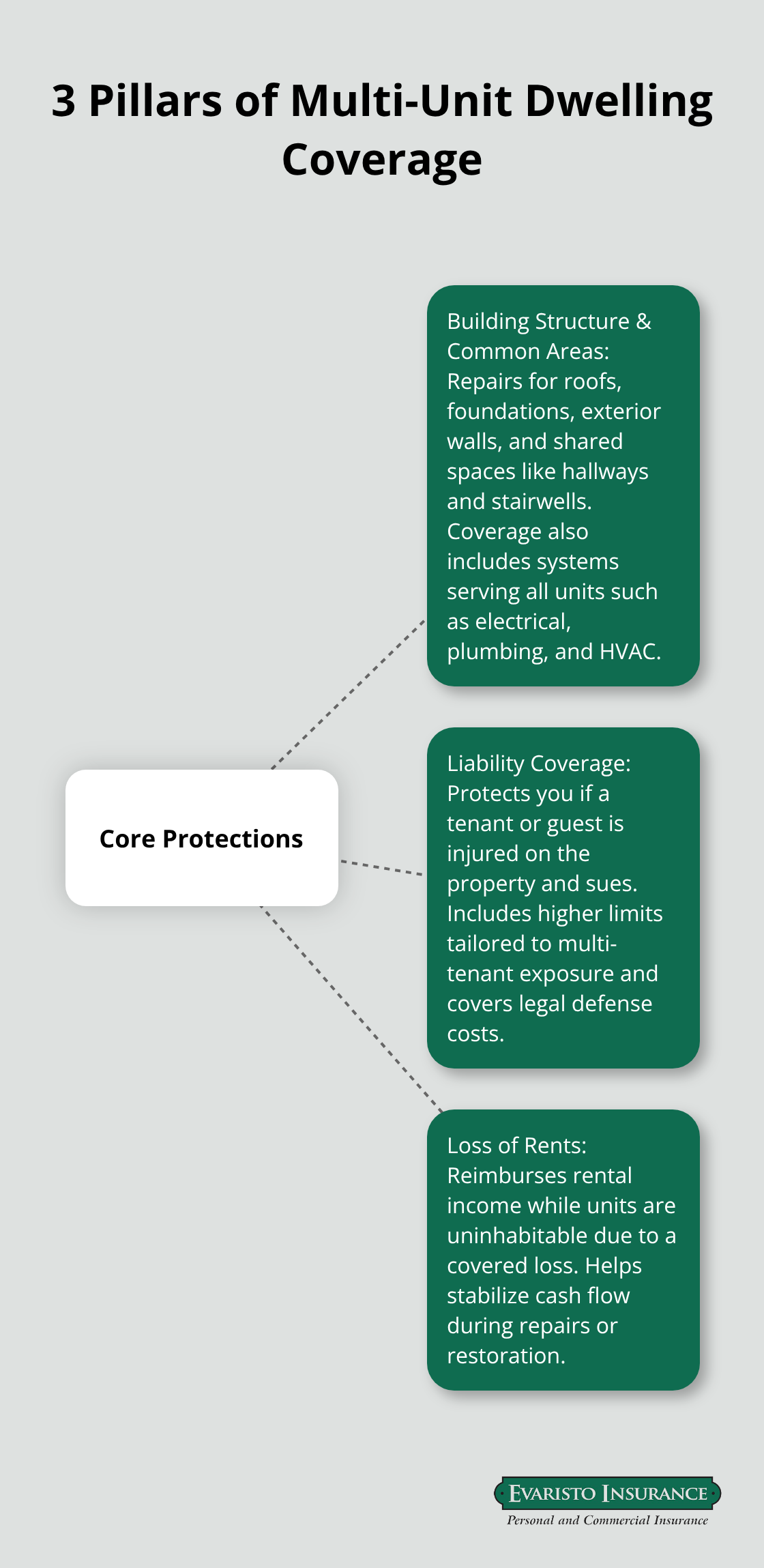
Your multi-unit dwelling policy protects three distinct areas that directly impact your rental income and legal protection. The building structure itself-including the roof, foundation, exterior walls, and all mechanical systems serving the units-receives coverage for damage from fire, weather, theft, and vandalism. Connecticut landlords often overlook that common areas like hallways, stairwells, laundry facilities, and parking lots are included in this protection. If a pipe bursts in a shared wall and damages multiple units simultaneously, your policy covers the structural repairs without forcing you to file separate claims for each unit.
Building Structure and Common Areas
The structural coverage extends to everything that keeps your building standing and functional. Your policy pays for repairs to load-bearing walls, roofing materials, foundation cracks, and the electrical, plumbing, and HVAC systems that serve all tenants. Common areas receive the same protection as individual units-a fire in the basement affects your entire liability exposure, and your policy handles the full cost of restoration. Connecticut’s weather patterns (heavy snow loads, ice dams, and nor’easters) create significant structural risks, making this coverage essential for landlords in our state.
Liability Coverage Protects Your Assets from Tenant and Guest Injuries
Liability claims represent the largest financial risk for Connecticut rental property owners. If a tenant slips on ice in your stairwell and requires surgery, or a guest is injured by a falling piece of siding, they can sue you personally for medical bills, lost wages, and pain and suffering. According to the National Safety Council, medically consulted injuries cost an average of $48,000 per incident. Your multi-unit dwelling policy typically provides $300,000 to $1,000,000 in liability coverage, which protects your personal assets if a judgment exceeds your policy limits. This coverage also includes legal defense costs, meaning the insurance company pays your attorney even before a settlement is reached.
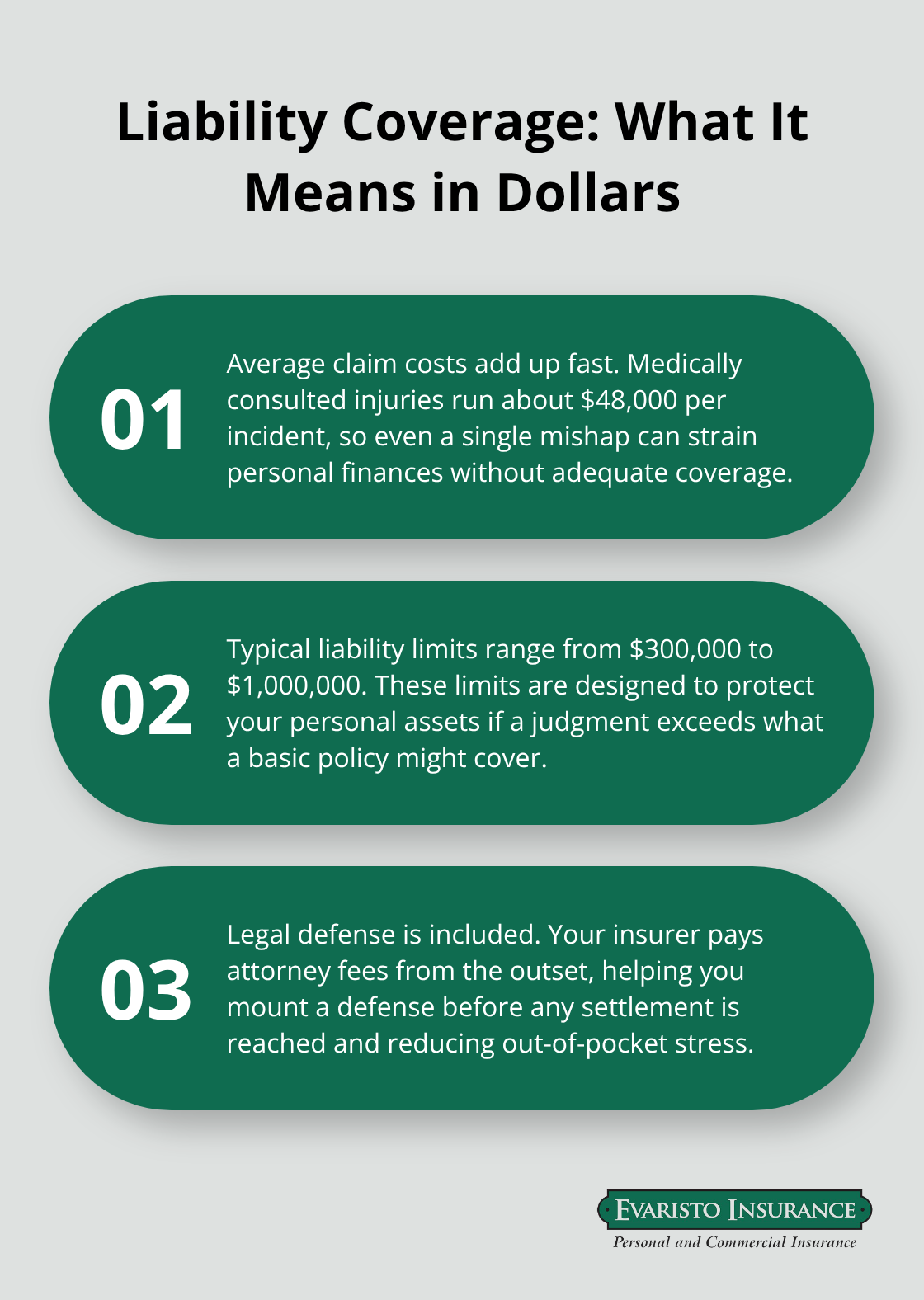
Without adequate liability limits, a single serious injury claim could force you to sell the property to satisfy a judgment.
Loss of Rents Keeps Your Cash Flow Stable During Repairs
Loss of rents coverage reimburses you for tenant rent that stops coming in while your building is uninhabitable due to an insured event. Connecticut landlords with tight cash flows cannot absorb three months of lost rent while waiting for fire damage repairs. If your building sustains damage on January 15th and repairs take until April 1st, your policy reimburses the full rental income you would have collected during that period. This coverage typically extends for 12 months, though some policies offer shorter or longer periods depending on your needs. Additional living expenses coverage handles situations where you must temporarily relocate tenants to other housing-your policy covers those hotel or temporary rental costs until permanent repairs are complete.
Understanding these three coverage pillars helps you evaluate whether your current policy provides adequate protection. The next section examines why Connecticut landlords specifically choose multi-unit dwelling policies over alternative coverage options.
Why Connecticut Landlords Need Multi-Unit Dwelling Policies
Connecticut landlords face specific risks that standard policies simply refuse to cover, and the financial consequences of being underinsured are severe. A rental property with four units produces income that a homeowners policy treats as completely irrelevant-if a fire forces evacuation for four months, that policy pays zero dollars for lost rent while you still owe the mortgage. Connecticut’s insurance market shows that landlords who file claims under homeowners policies for rental properties receive immediate denials, leaving them to absorb repair costs and lost income personally. Multi-unit dwelling policies exist because the rental business model creates exposures that owner-occupied homeowners never encounter.
Lender and Lease Requirements Mandate Proper Coverage
Connecticut lenders include specific insurance requirements in their loan documents for rental properties, and these requirements mandate multi-unit dwelling coverage with minimum liability limits. Lease agreements typically require tenants to verify that you maintain proper landlord insurance before move-in, and many tenants now request proof annually. Failing to maintain the correct coverage gives your lender grounds to purchase force-placed insurance at your expense-this coverage costs three to four times more than proper multi-unit policies and provides minimal protection.
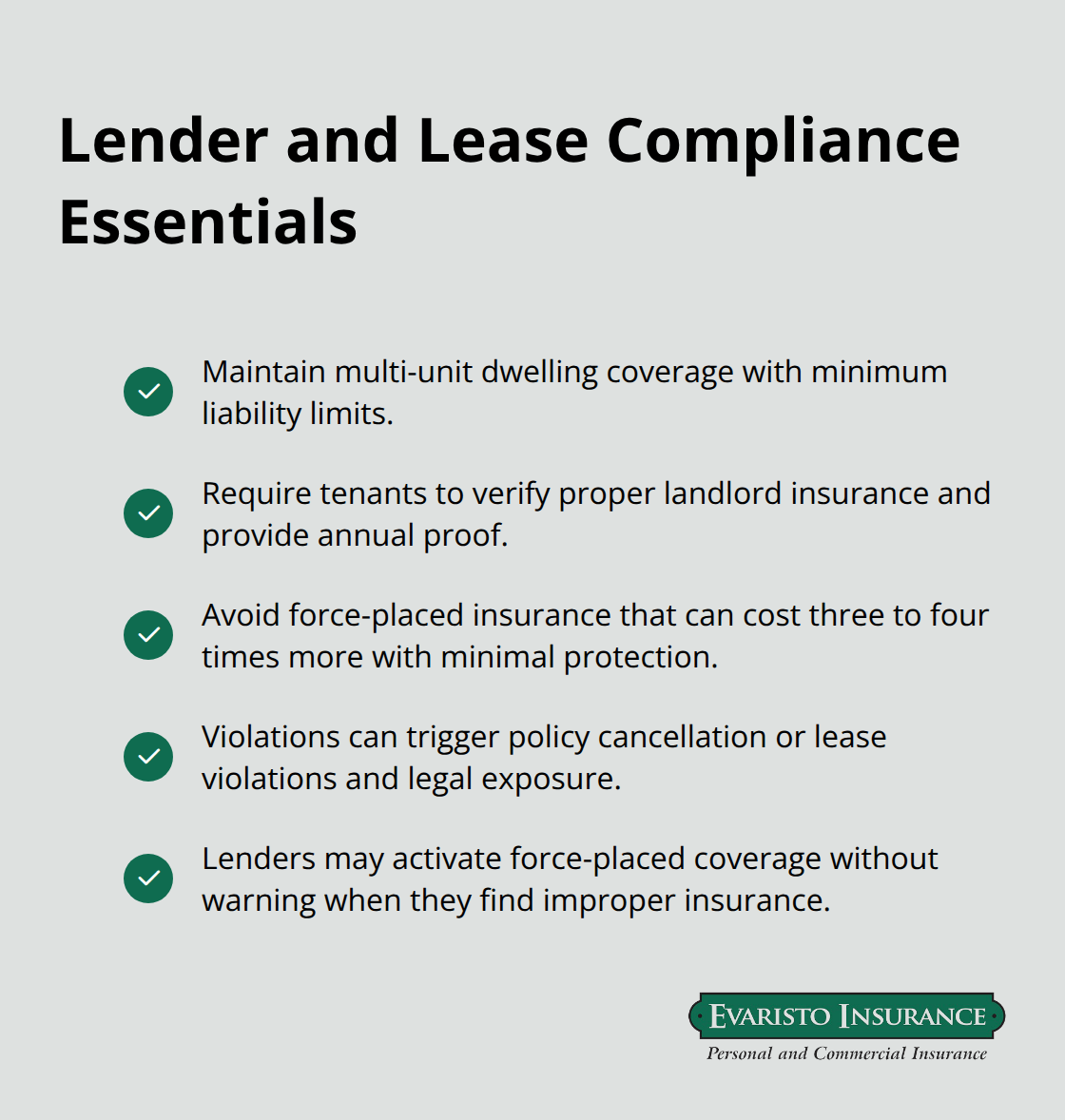
Your mortgage lender and most tenant leases explicitly require proof of multi-unit dwelling coverage, not homeowners insurance. Violating these requirements can trigger policy cancellation or lease violations that expose you to legal action. Force-placed insurance catches many landlords off guard because lenders activate it without warning when they discover improper coverage.
Cost Efficiency Compared to Individual Unit Policies
The cost difference between proper multi-unit coverage and stacking multiple individual policies is dramatic. One comprehensive multi-unit policy costs significantly less than buying separate policies for each unit while providing unified liability limits that actually protect your total exposure across all tenants simultaneously. Connecticut landlords who attempt to insure each rental unit separately face higher premiums, fragmented coverage gaps, and complicated claims processes when incidents affect multiple units at once.
A single comprehensive policy simplifies your administrative burden and reduces your total insurance expense. You file one renewal, pay one premium, and maintain one liability limit that covers your entire building rather than managing separate policies with separate limits for each unit.
Final Thoughts
Multi-unit dwelling policies protect your rental investment in ways that standard homeowners insurance simply cannot match. Connecticut landlords who own duplexes, triplexes, or apartment buildings face tenant-related liability claims, loss of rental income during repairs, and structural risks that require specialized coverage. Without proper protection, a single fire, injury claim, or weather event can eliminate months of rental income and expose your personal assets to judgment claims that exceed your policy limits.
We at Evaristo Insurance understand the specific challenges Connecticut landlords face because we’ve worked with rental property owners throughout the state for decades. Your building’s age, construction type, number of units, and tenant occupancy history all affect your premium and available coverage options. We review your current policy, verify that your lender’s requirements are met, and confirm that your lease agreements align with your actual insurance protection.
Contact Evaristo Insurance to schedule a landlord insurance review. Our local offices in Ellington and West Hartford serve Connecticut landlords who want straightforward answers about their multi-unit dwelling policy coverage and competitive pricing. We’ll walk you through your options and help you understand exactly what your policy covers before you need it.
Disclaimer: This blog post is for general informational purposes only and does not represent actual coverage, policy terms, or legal requirements. Insurance details vary by individual and jurisdiction. Please consult a licensed insurance professional for advice specific to your situation.

