Telematics Auto CT: Smart Telematics for Connecticut Drivers
Connecticut drivers are increasingly turning to telematics auto CT technology to lower their insurance costs and drive safer. At Evaristo Insurance, we’ve seen firsthand how this smart monitoring transforms the way people approach vehicle safety and insurance premiums.
Telematics devices track your driving habits in real time, rewarding safe drivers with meaningful savings. This guide walks you through everything you need to know about getting started.
How Telematics Tracks Your Driving
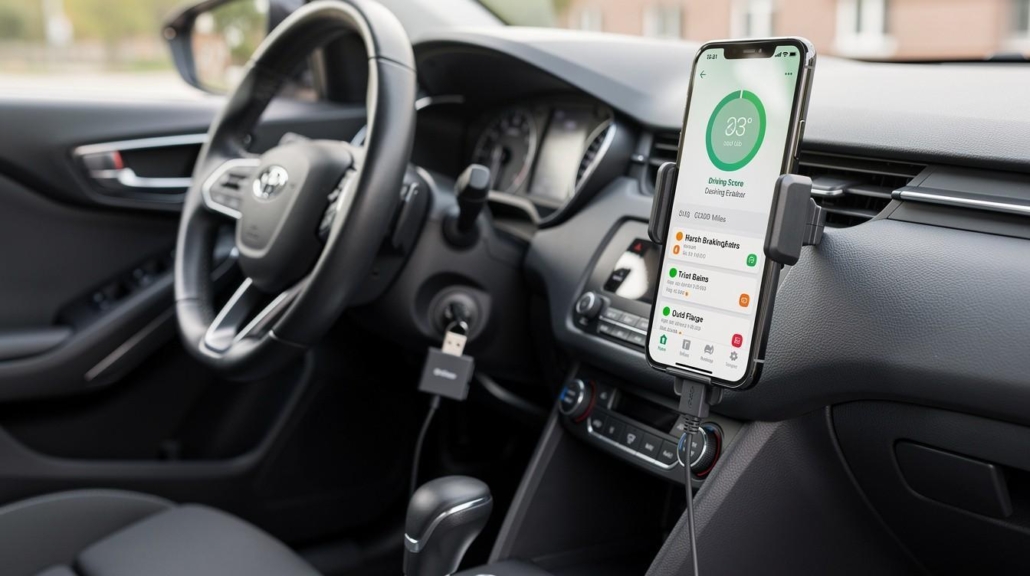
Telematics works through a small device installed in your vehicle that collects real-time data about your driving patterns. This device uses GPS technology combined with onboard diagnostics to monitor speed, acceleration, braking, cornering, and the times you drive. Insurance companies receive this data to assess your actual driving behavior rather than relying on broad demographic categories.
Connecticut drivers who participate in telematics programs expose their insurers to detailed information about hard braking events, rapid acceleration, and nighttime driving habits. The system operates continuously whenever your vehicle runs, creating a comprehensive picture of your driving style over weeks and months. This granular approach differs fundamentally from traditional insurance underwriting, which depends on age, location, and claims history alone.
Why Insurance Companies Value Telematics Data
The insurance industry has embraced telematics because it reveals genuine risk factors. According to the National Highway Traffic Safety Administration, speeding contributes to 26% of fatal crashes, while aggressive acceleration and hard braking correlate strongly with accident involvement. Telematics devices capture these behaviors objectively, allowing insurers to reward genuinely safe drivers with measurable premium reductions.
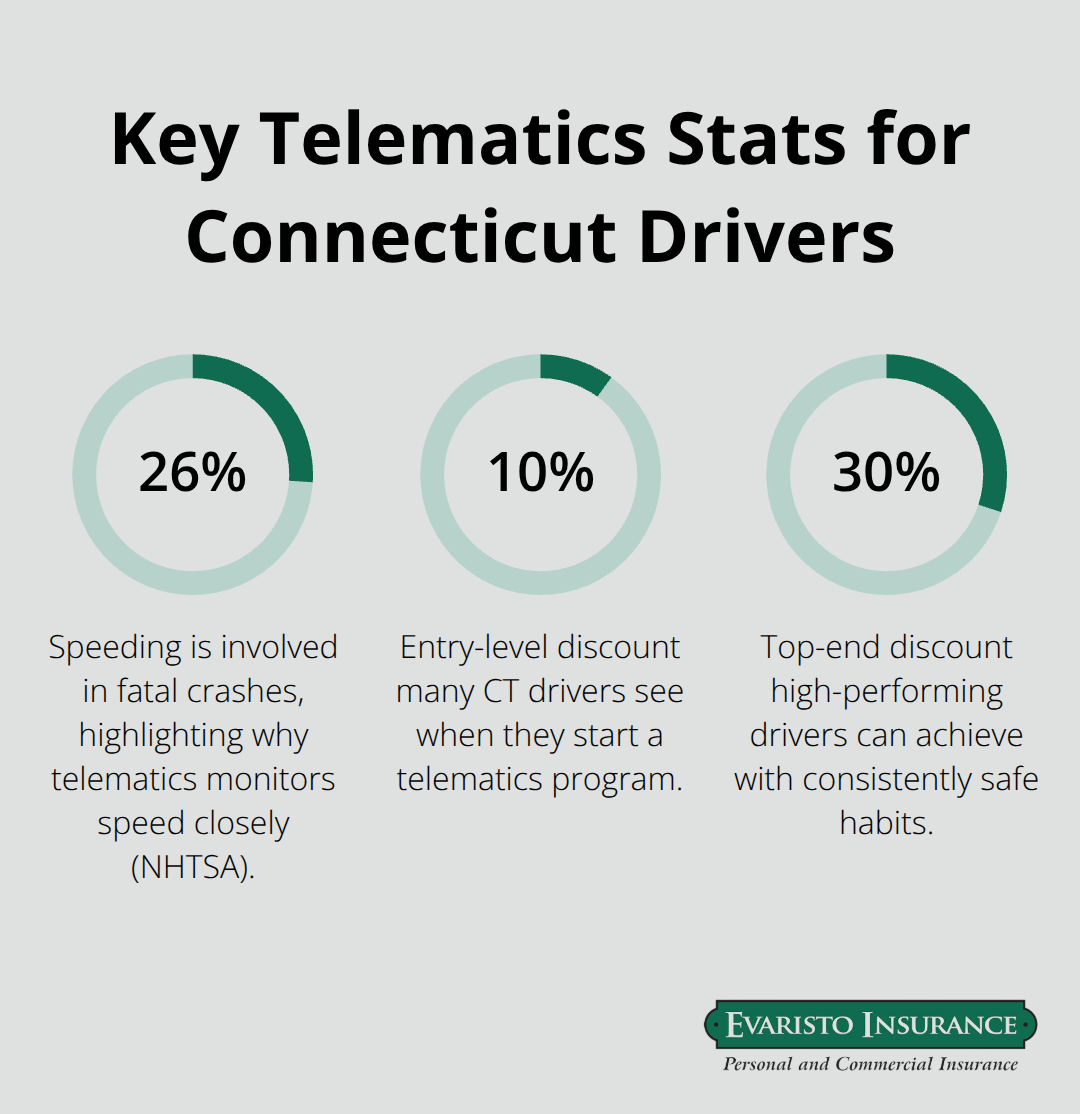
Connecticut drivers who maintain consistent safe driving habits can receive discounts ranging from 10% to 30% depending on their insurer and performance metrics. This direct link between behavior and pricing creates accountability that standard insurance models cannot achieve. Insurers recognize telematics data as a legitimate tool for identifying low-risk drivers who deserve better rates.
What Happens to Your Driving Information
Your telematics data flows directly from the device to your insurance company’s platform, where algorithms analyze your specific driving patterns. You maintain access to your own data through a mobile app or online dashboard, showing your driving scores, trip summaries, and areas for improvement. The insurance company uses this information solely to calculate your premium and identify safety trends.
Connecticut residents should understand that telematics companies and insurers follow strict data privacy protocols governed by state regulations. Your information remains separate from other personal data and gets deleted according to your policy terms or state requirements. Most telematics programs allow you to opt out at any time, though doing so typically means losing associated discounts.
Understanding how your data works sets the stage for selecting the right telematics solution for your specific needs and driving situation.
How Much Can You Actually Save with Telematics
Real Savings Connecticut Drivers Achieve
Connecticut drivers who adopt telematics programs report savings between 10% and 30% on their annual premiums, with top performers seeing reductions closer to the higher end. A driver paying $1,200 annually could reduce that to $840–$1,080 depending on their performance metrics and carrier. The savings accumulate quickly-over three years, a 20% discount translates to over $700 in recovered premiums.
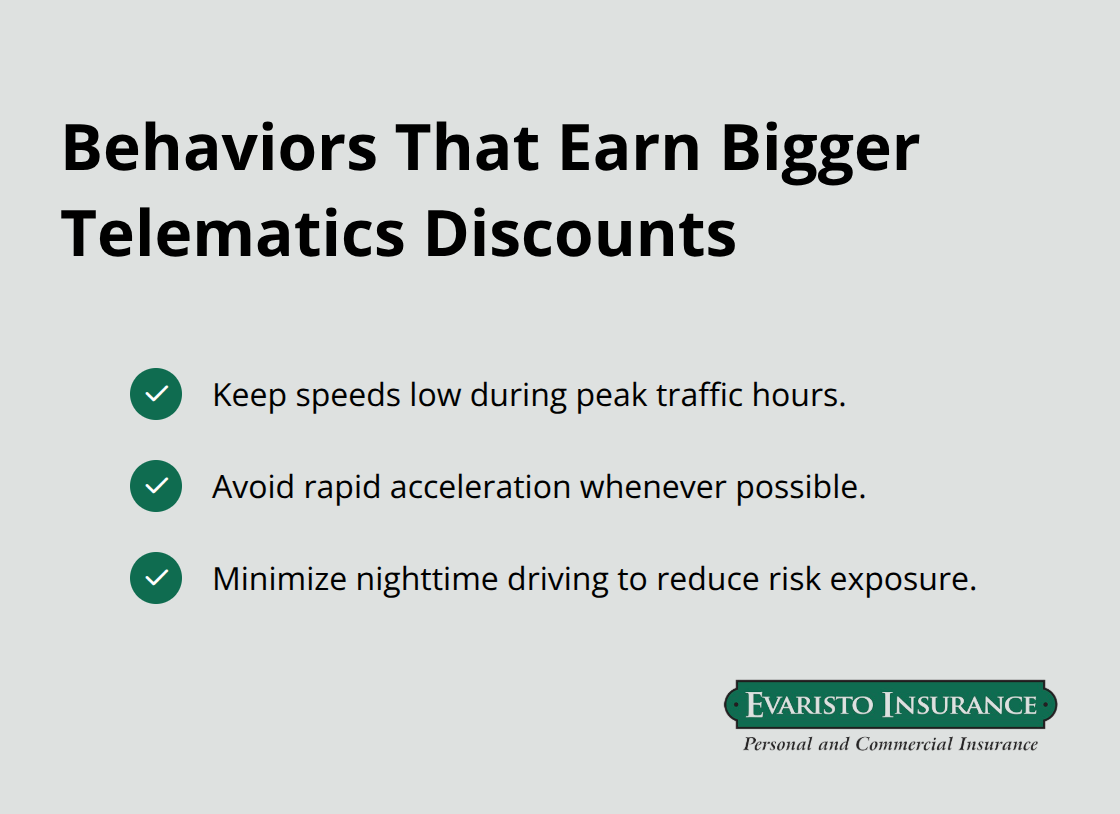
Safe drivers who maintain low speeds during peak traffic hours, avoid rapid acceleration, and minimize nighttime driving see the most dramatic reductions. Insurance companies reward these specific behaviors because they directly correlate with lower claim rates. Most telematics programs require a few months of driving data before insurers apply discounts, so patience matters when starting out.
How Your Driving Habits Impact Your Premium
Your specific actions behind the wheel determine your discount level. Hard braking events, speeding incidents, and risky cornering all factor into your final rate. Drivers who consistently demonstrate cautious behavior receive the highest rewards from their insurance carriers.
The Insurance Institute for Highway Safety notes that drivers aware of monitoring systems demonstrate more cautious behavior, which translates to fewer collision claims. This awareness creates a powerful incentive-you know your insurer watches your performance, so you naturally drive with greater attention to safety fundamentals.
Telematics Benefits Beyond Premium Discounts
Fleet owners managing multiple vehicles gain particular advantage through telematics implementation. They can identify which drivers need coaching, optimize routes to reduce mileage costs, and document safe practices for insurance audits. Connecticut business owners operating delivery or service vehicles have reported reductions in accident frequency after implementing telematics monitoring across their fleets.
Individual drivers also benefit from real-time feedback through mobile apps that highlight dangerous moments and risky patterns. This feedback loop creates behavioral change faster than traditional driving education alone. The combination of financial incentive and immediate data visibility transforms how drivers approach every trip.
Understanding your potential savings and the behaviors that unlock them positions you to select the right telematics solution for your situation.
How to Pick and Set Up Telematics in Connecticut
Comparing Telematics Providers for Your Needs
Selecting a telematics device requires matching your specific driving situation to what each provider actually offers. Connecticut drivers have access to programs through most major insurers, but the quality of feedback and ease of use vary significantly. Some programs emphasize gamification through mobile apps, while others focus purely on premium calculations.
Drivers who choose devices with detailed mobile dashboards stick with the programs longer and see better results. The best approach involves comparing what three carriers provide before committing. Ask each insurer whether their telematics device connects to your vehicle’s onboard diagnostics system or requires a separate plug-in unit, since older vehicles sometimes need external devices while newer models integrate directly.
Understanding Real-Time Feedback vs. Delayed Reports
Check whether the provider offers real-time alerts for dangerous driving moments versus waiting days for summary reports. A Connecticut driver who receives immediate notification after hard braking can adjust behavior that same week, while someone waiting for weekly reports loses the feedback momentum that drives actual behavior change. This distinction matters far more than most drivers realize when selecting between competing programs.
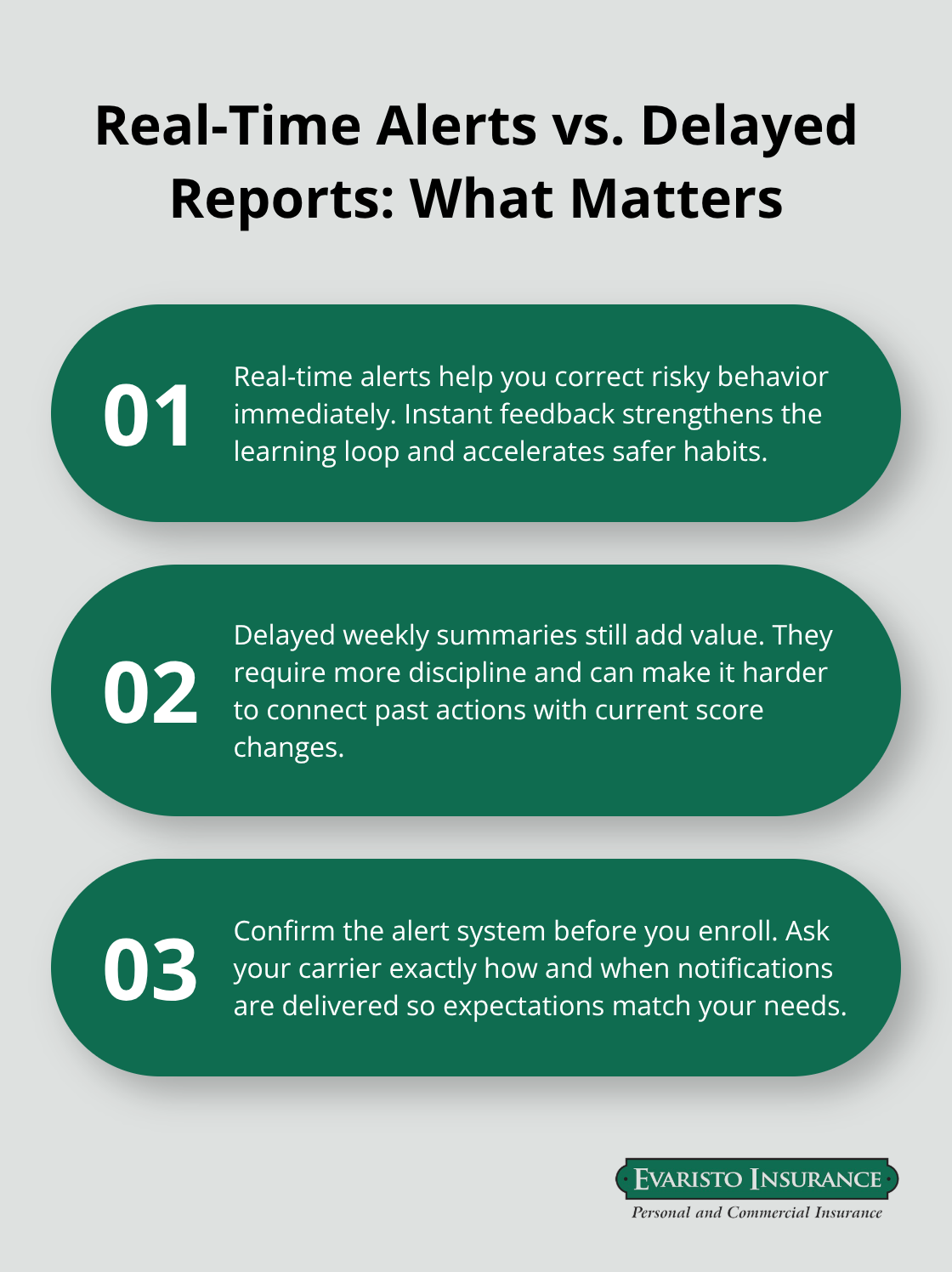
Real-time systems create accountability in the moment, transforming how you approach each trip. Delayed feedback systems still provide value but require more discipline to connect past behavior with current data. Your insurance carrier should clearly explain their alert system before you commit to their telematics program.
Installation and Initial Setup
Installation takes fifteen minutes for most devices, though setup complexity depends on your vehicle’s age and the telematics system. Plug-in devices fit into your vehicle’s OBD-II port, typically located under the dashboard on the driver’s side. Download the associated mobile app and create your account before installation so the device pairs immediately when powered on.
Most systems require your name, address, vehicle information, and policy number to activate. The mobile app becomes your window into driving performance, showing your safety score, individual trip breakdowns, and specific incidents like speeding or rapid deceleration.
Interpreting Your Driving Data
Connecticut drivers should review these dashboards weekly during the first month to understand what behaviors trigger point deductions. Many telematics programs allow you to compare your performance against regional or national benchmarks, which helps contextualize whether your 78-point safety score actually reflects good driving or needs improvement. This comparison prevents you from misinterpreting your results against unrealistic standards.
Contact your insurance carrier if the device fails to sync data for more than 48 hours, as connection problems prevent accurate premium calculations and leave you unable to track progress toward discounts. Most carriers respond quickly to technical issues since they depend on consistent data flow for their underwriting models.
Final Thoughts
Telematics auto CT represents a fundamental shift in how Connecticut drivers approach insurance and vehicle safety. We at Evaristo Insurance have watched this technology mature from a niche offering into a mainstream solution that delivers real financial rewards for safe driving. The combination of 10-30% premium discounts, immediate behavioral feedback, and objective risk assessment creates value that traditional insurance models simply cannot match.
Connecticut residents who implement telematics gain more than lower premiums-they gain visibility into their actual driving patterns, concrete data showing where they excel and where they need improvement, and a direct financial incentive to maintain safer habits. Fleet owners see reduced accident frequency and documented safety practices that strengthen their insurance position. Individual drivers experience the satisfaction of knowing their careful driving translates into measurable savings month after month.
Contact your current insurance carrier to ask about their telematics program specifics, including device type, real-time feedback capabilities, discount structure, and data privacy practices. If your carrier lacks a competitive telematics offering, we can help you explore options across multiple carriers to find the program that best matches your driving situation and savings goals. Installation takes minutes, but the benefits accumulate over months and years.
Disclaimer: This blog post is for general informational purposes only and does not represent actual coverage, policy terms, or legal requirements. Insurance details vary by individual and jurisdiction. Please consult a licensed insurance professional for advice specific to your situation.

